The ESA “Harm” Rule and its Impacts on Florida Panther Mitigation in Southwest Florida
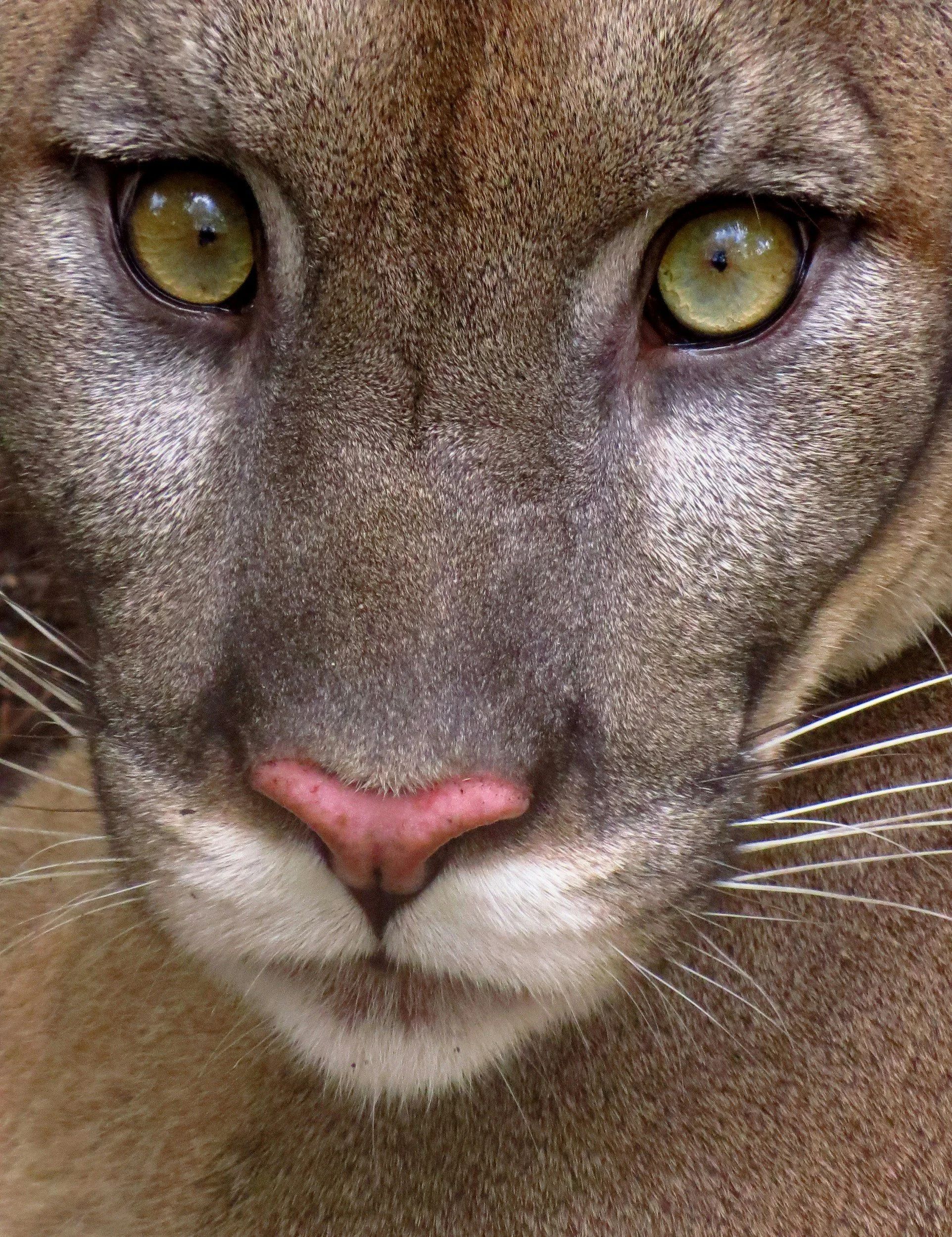
Florida panther (Puma concolor coryi)
August 12, 2026
On July 10, 2026, the U.S. Fish and Wildlife Service (FWS) and NOAA Fisheries announced a final rule removing the regulatory definition of “harm” under the Endangered Species Act. The rule was published in the Federal Register on July 14 and is scheduled to take effect on September 14, 2026, unless it is delayed or set aside by a court.[1]
Under the former definition, significant habitat modification or degradation could be considered “harm” when it actually killed or injured protected wildlife by significantly interfering with essential activities such as breeding, feeding, or sheltering.[1]
The final rule removes that definition without adopting a replacement. The agencies now interpret the ESA’s prohibition on “take” as applying to affirmative actions directed immediately and intentionally against particular animals, rather than indirect and accidental injury resulting from habitat modification.[1]
For Southwest Florida, this raises an important question: What does this change for projects impacting Florida panther habitat?
Right now, FWS has not provided a panther-specific answer.
The Existing Panther Framework Remains in Place
As of August 3, 2026, FWS has not published new Florida panther-specific guidance explaining how the rule will affect future consultations or mitigation requirements.
The existing Panther Focus Area maps, Florida Panther Effect Determination Key, Panther Habitat Assessment Methodology, and Panther Habitat Unit framework remain published and available.
The Florida Panther Effect Determination Key was published in 2007. It identifies when a project within or near the Panther Focus Area may affect the panther and require consultation with FWS.[3]
The current Panther Habitat Assessment Methodology (PHAM) was published in 2012. It explains how FWS evaluates the functional value of affected habitat and calculates Panther Habitat Units. The methodology includes habitat values, a 2.5 base compensation ratio, and landscape multipliers based on the project's location and the proposed compensation.[4]
The final “harm” rule does not expressly revise the Panther Focus Area, Effect Determination Key, PHU values, base compensation ratio, or landscape multipliers.[1]
Federal Consultation Still Applies
The rule does not eliminate consultation under Section 7 of the ESA.
Federal agencies must still ensure that actions they authorize, fund, or carry out are not likely to jeopardize the continued existence of a listed species or destroy or adversely modify designated critical habitat.[1]
This remains important in Southwest Florida, where many development projects require federal authorization. For example, certain projects affecting federally regulated wetlands may require authorization from the U.S. Army Corps of Engineers. That federal involvement can require consultation with FWS regarding potential effects on the Florida panther.
The Florida Panther Effect Determination Key directs consultation for certain projects that may affect panthers or their habitat. It specifically considers project location, acreage, traffic changes, and other identifiable effects on panthers or panther habitat.[3]
FWS has also stated that removing the definition of “harm” does not limit its ability to evaluate effects on listed species and critical habitat through the Section 7 process.[1] Whether avoidance, minimization, or mitigation is required will continue to depend on the project and the outcome of the consultation.
Existing Panther Mitigation Commitments Remain Valid
FWS and NOAA Fisheries have stated that previously issued permits and Incidental Take Statements will not be reevaluated solely because the definition of “harm” was removed. Existing conservation agreements and habitat-management plans also remain in effect.[1]
The rule does not cancel obligations already established through an existing permit, consultation, Habitat Conservation Plan, or conservation agreement.
What Remains Unclear
FWS has not explained how its revised interpretation will be applied to future projects affecting Florida panther habitat. The agency has not announced changes to the Effect Determination Key, Panther Habitat Assessment Methodology, PHU calculations, or mitigation requirements.
The rule is also being challenged in federal court. Nine conservation organizations sued FWS and NMFS in federal court in Seattle seeking to overturn the rule. July 14, 2026. Their argument is essentially that Congress included “harm” within the statutory definition of “take,” and that the agencies cannot eliminate the longstanding interpretation recognizing habitat destruction that results in death or injury as prohibited take. They are also relying heavily on the Supreme Court's 1995 Babbitt v. Sweet Home decision.
What This Means Moving Forward
The removal of the federal definition of “harm” has not eliminated the need for Florida panther mitigation in Southwest Florida. Existing mitigation commitments remain valid, and projects involving federal authorization may still require Section 7 consultation.
Until FWS issues new guidance or applies the rule through future consultations, developers and landowners should continue identifying federally approved PHUs and potential mitigation requirements early in the planning and permitting process.
Revive Ecosystems, LLC will continue to monitor FWS guidance, consultation decisions, and litigation for changes that affect Florida panther mitigation in Southwest Florida.
Planning a project within Florida panther habitat? ContactRevive Ecosystems to evaluate your potential mitigation needs and identify practical, federally acceptable Panther Habitat Unit solutions that help keep your project moving forward.
Sources
[1] U.S. Fish and Wildlife Service and National Marine Fisheries Service. “Rescinding the Definition of ‘Harm’ Under the Endangered Species Act.” Federal Register, Vol. 91, No. 132, July 14, 2026, pp. 43300–43315. Final rule effective September 14, 2026.
https://www.federalregister.gov/documents/2026/07/14/2026-14195/rescinding-the-definition-of-harm-under-the-endangered-species-act
[2] U.S. Fish and Wildlife Service. “Department of the Interior Restores Clear ESA Enforcement by Rescinding Misguided ‘Harm’ Definition.” News release, July 10, 2026.
https://www.fws.gov/press-release/2026-07/department-interior-restores-clear-esa-enforcement-rescinding-misguided-harm
[3] U.S. Fish and Wildlife Service, South Florida Ecological Services Office. Florida Panther Effect Determination Key. February 19, 2007. Available through the FWS Information for Planning and Consultation system.
https://ipac.ecosphere.fws.gov/project/SLZVUCQMSVFQZL6D7PLBMZRWHQ/documents/generated/7123.pdf
[4] U.S. Fish and Wildlife Service, South Florida Ecological Services Field Office. Panther Habitat Assessment Methodology. September 24, 2012. Available through the FWS Information for Planning and Consultation system.
https://ipac.ecosphere.fws.gov/guideline/assessment/population/8/office/41420.pdf
[5] Stempel, Jonathan. “Trump Administration Sued by Environmental Groups for Rescinding Definition of ‘Harm.’” Reuters, July 14, 2026.
https://www.reuters.com/legal/litigation/trump-administration-sued-by-environmental-groups-rescinding-definition-harm-2026-07-14/