The Importance of Early Environmental Coordination in Florida
Posted on May 11, 2026
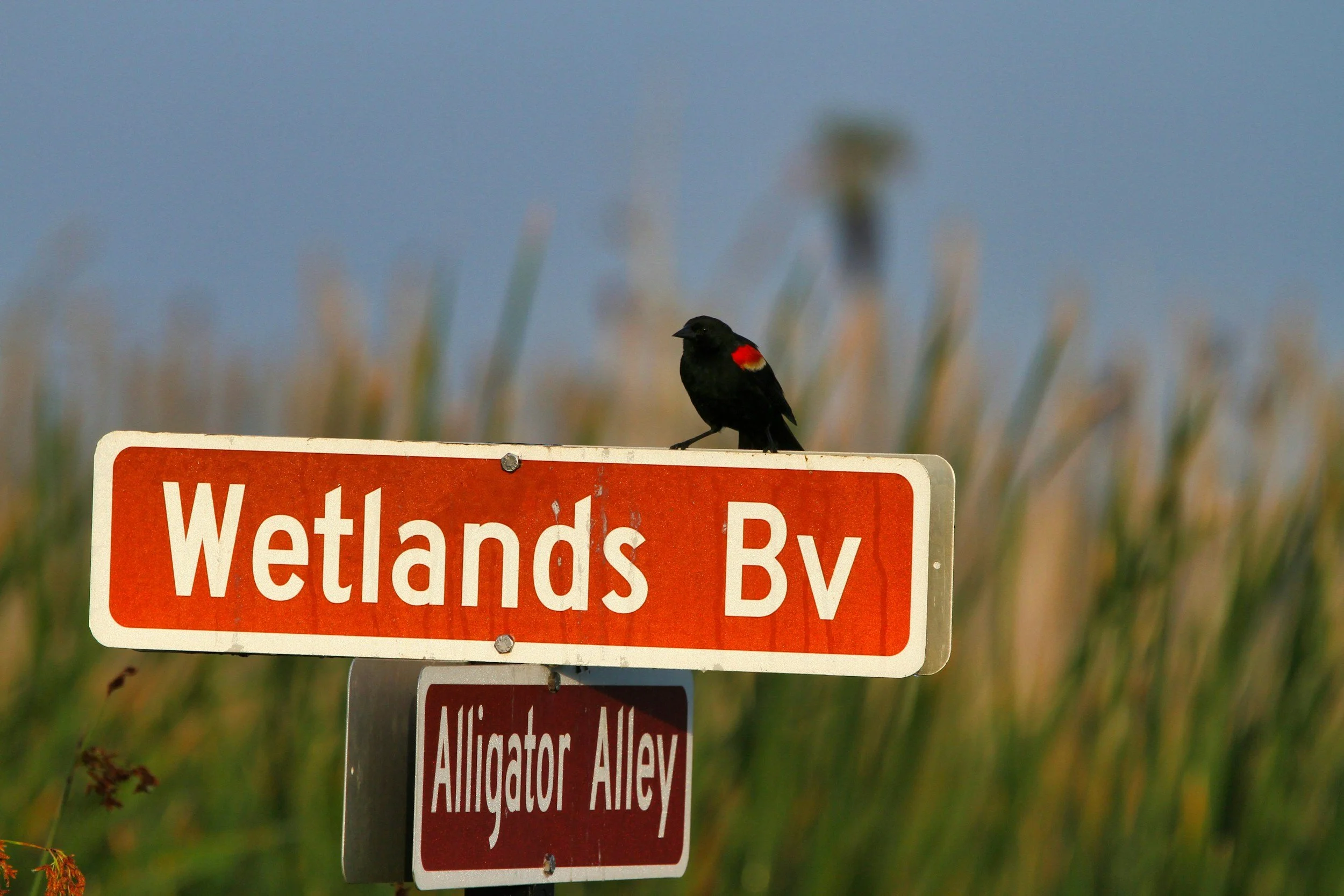
Florida continues experiencing significant growth across many regions of the state. Residential development, roadway expansion, utility infrastructure, schools, industrial facilities, and large-scale master planned projects are all contributing to changing land use patterns throughout Florida.
As development increasingly intersects with wetlands, habitat systems, conservation corridors, and other environmentally sensitive areas, environmental planning is becoming a more important part of the broader development and permitting process. Environmental considerations can influence project timing, permitting strategy, mitigation coordination, infrastructure planning, and overall project sequencing.
While every project is different, environmental coordination in Florida is often shaped by several key factors, including regional environmental conditions, mitigation frameworks, project timing, and site-specific land characteristics.
Environmental Conditions Vary Across Florida
Florida’s environmental landscape is not uniform. Wetland systems, habitat characteristics, hydrology, conservation corridors, and mitigation service areas can vary significantly from one region of the state to another.
A project in Southwest Florida may involve a very different environmental coordination process than one in Central Florida or along the Treasure Coast. In some regions, projects may involve multiple environmental considerations simultaneously.
For example, projects in Southwest Florida may involve both wetland impacts and Florida panther habitat considerations, requiring separate forms of mitigation. In certain circumstances, permit applicants may purchase wetland credits from federally approved mitigation banks that also provide Panther Habitat Units (PHUs) associated with the same project impacts. Under these frameworks, a limited number of PHUs may be provided in connection with the wetland credit transaction when both mitigation components are utilized for the same permitted project.
These regional differences can influence how environmental review, mitigation planning, and permitting coordination are approached from project to project.
Mitigation Frameworks and Coordination
Mitigation availability can differ substantially depending on basin, impact type, habitat conditions, permitting framework, and geographic location.
Florida’s mitigation banking framework establishes approved mitigation service areas and ecological assessment methodologies used during permitting and mitigation review. Credits are commonly evaluated using the Uniform Mitigation Assessment Method (UMAM), unless a mitigation bank was approved under an earlier methodology such as WRAP, MWRAP, or ratio-based systems.
Projects may also involve separate state and federal review processes depending on jurisdiction, impact type, and permitting requirements. In some situations, mitigation coordination may involve multiple agencies, multiple forms of mitigation, or differing regulatory considerations occurring simultaneously.
Florida’s mitigation banking framework also utilizes phased credit releases and mitigation ledgers, which can influence mitigation availability depending on project timing and location.
Timing and Project Sequencing
One of the more overlooked aspects of environmental planning is timing.
Environmental review, engineering schedules, wildlife surveys, permitting timelines, mitigation coordination, and infrastructure sequencing can all intersect during project development. Depending on the project, these timelines may influence permitting strategy, construction sequencing, and mitigation coordination.
Projects evaluating environmental considerations earlier during acquisition, feasibility, or conceptual planning may have greater flexibility to assess site constraints, review mitigation options, coordinate permitting strategy, and identify overlapping environmental factors before major project milestones occur.
In some regions with more limited mitigation inventory, mitigation credits like wetland credits and conservation credits are reserved earlier during the planning process, particularly on larger infrastructure or master-planned developments.
Land Characteristics and Site Constraints
Properties throughout Florida can vary significantly from an ecological perspective.
Factors such as habitat connectivity, hydrology, wetland distribution, adjacency to conservation lands, surrounding land use, and ecological viability can all influence how a property is evaluated environmentally.
Some properties may support restoration opportunities, conservation planning, mitigation-related evaluation, or habitat preservation considerations, while others may not. Evaluations are highly site-specific and depend on a combination of ecological, geographic, and regulatory factors.
Environmental Planning Starts Earlier
Environmental review is increasingly being integrated into acquisition due diligence, engineering, infrastructure planning, site design, and permitting strategy discussions earlier in the development process.
While early environmental evaluation does not eliminate every challenge, it may help project teams better understand site constraints, mitigation considerations, permitting pathways, and broader coordination needs before significant project resources are committed.
As Florida continues growing, environmental planning is becoming more integrated into broader conversations surrounding infrastructure, development feasibility, project timing, and long-term land use planning.
Looking Ahead
Florida’s growth, infrastructure investment, and conservation priorities continue evolving across different regions of the state. As projects increasingly intersect with wetlands, habitat systems, and conservation areas, environmental coordination will likely remain an important component of project planning and permitting discussions.
Because environmental conditions, mitigation frameworks, limited mitigation credit inventory, and regulatory considerations can vary substantially depending on project type and location, environmental planning will likely continue becoming more integrated into broader development and infrastructure planning efforts.
Revive Ecosystems, LLC works with developers, consultants, landowners, and infrastructure teams on mitigation planning, coordination, and project strategy considerations across Florida. Early evaluation can help project teams better understand potential constraints, mitigation pathways, permitting considerations, and broader project sequencing needs during the planning process.
Ready to start planning? Call us today at (239) 633-8775.