Understanding Panther Habitat Units (PHUs) and Their Role in Panther Conservation
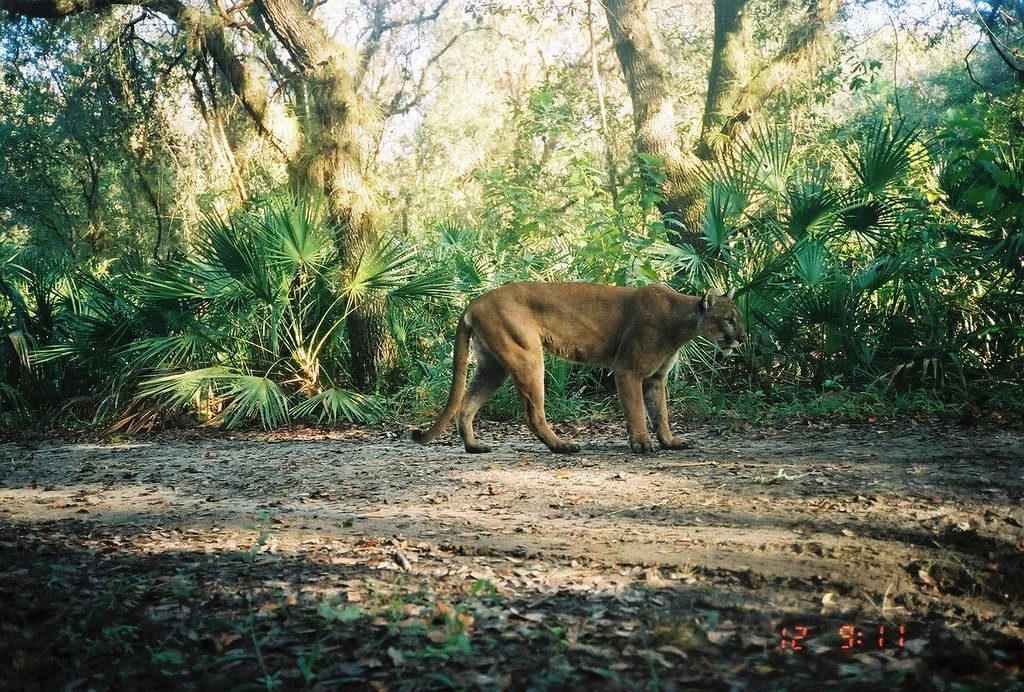
Posted on December 29, 2025
As development continues to expand across Southwest Florida, understanding how impacts to Florida panther habitat are evaluated and mitigated has become increasingly important. To address these impacts in a consistent and science-based manner, the U.S. Fish and Wildlife Service (FWS) relies on Panther Habitat Units (PHUs)—a standardized framework designed to ensure that necessary growth proceeds in compliance with federal law while supporting the long-term recovery of one of Florida’s most iconic endangered species.
What Are Panther Habitat Units (PHUs)?
Panther Habitat Units (PHUs) are a standardized metric used by FWS to evaluate and quantify impacts to Florida panther habitat resulting from development and infrastructure projects. By assigning a measurable value to habitat based on its quality and functional importance to panthers, PHUs provide a consistent method for determining mitigation obligations when impacts to habitat cannot be avoided.
Why Are PHUs Required?
The Florida panther is listed as endangered under the Endangered Species Act (ESA), which requires FWS to ensure that permitted actions do not jeopardize the continued existence of the species or result in the destruction or adverse modification of its habitat. PHUs were developed as a science-based tool to meet this mandate by translating habitat impacts into a transparent, repeatable, and ecologically grounded mitigation framework that can be applied consistently across projects.
How Are PHUs Calculated?
PHUs are calculated through a habitat-based assessment that considers both the type and quality of panther habitat affected. Land cover types are classified and assigned baseline values based on their importance to panther survival. These values are then adjusted using site-specific factors such as habitat condition, landscape connectivity, and documented or expected functional use by panthers. The adjusted habitat value is multiplied by the number of acres impacted to generate a total PHU score, which represents the project’s mitigation obligation.
Why Conservation Banks Are Preferred
The PHU framework provides regulatory clarity and predictability for both agencies and permit applicants by establishing a consistent basis for mitigation decisions. Under federal mitigation hierarchy guidance, conservation banks are generally preferred over other mitigation options because they provide advance mitigation, long-term management, and permanent protection of high-value habitat. The use of conservation banks reduces uncertainty, streamlines permitting, and supports compliance with the ESA.
Supporting Panther Conservation and Compliance
Panther Habitat Units play a central role in federally required mitigation for impacts to Florida panther habitat. By quantifying habitat impacts and linking mitigation obligations to permanently protected lands through conservation banks, PHUs help balance development needs with durable conservation outcomes, ensuring that the Florida panther retains the habitat necessary to survive and recover.
For projects with the potential to affect panther habitat, understanding PHU requirements early in the planning process can reduce uncertainty and facilitate a more efficient permitting pathway. Working with reliable mitigation partners ensures the right mitigation is purchased for your project.
Do you need Panther Habitat Units for your project? Contact us at Revive Ecosystems, LLC to learn more about available PHUs in Southwest Florida.